
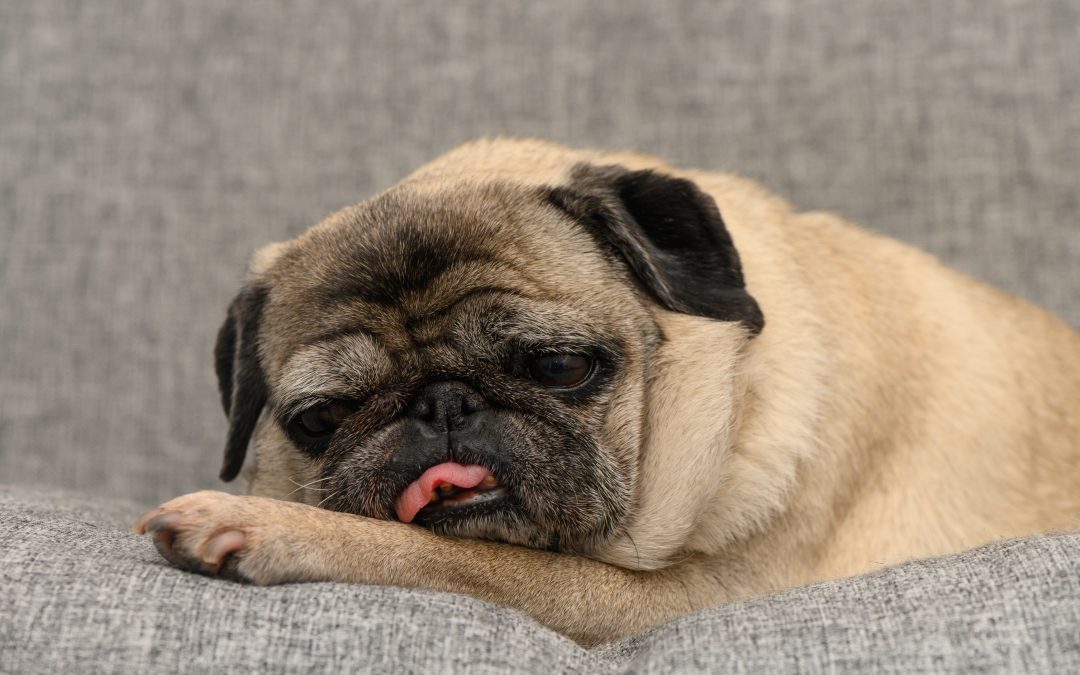
It’s normal for dogs to occasionally lick their paws as part of their normal grooming routine, but if you start noticing that irritating licking sound more and more, you need to pay attention because an underlying problem may be bothering your dog.
In this blog post, you’ll learn the answer to the question, “Why is my dog licking its paw?” You’ll learn whether it’s an emergency or not, common reasons it happens, and what to do about it.
If your dog excessively licks its paw and you worry it’s more than simple cleaning or debris removal, contact Penny Paws to schedule an appointment with a veterinarian in DeSoto, TX.
Is Excessive Paw Licking Something To Worry About?
At Penny Paws, we know your pets mean everything to you. When you clicked on this blog post, you probably wanted a quick answer to the question, “Why is my dog licking its paw?” Here’s the short answer:
Some paw licking is normal. Dogs often lick their paws to clean dirt, remove debris, or groom themselves after being outside. Occasional licking usually isn’t a reason to worry. Check out these dog tongue facts to learn more about how your dog uses its tongue for grooming, cooling, exploring, and everyday behavior.
Excessive paw licking is different. If your dog licks the same paw over and over, focuses on its paws every day, wakes up to lick, or keeps licking until the skin looks red or irritated, an underlying problem may be causing it. This isn’t always something that requires an emergency trip to the vet, but it is something you shouldn’t ignore.
Common Reasons Dogs Lick Their Paws
Repeated paw licking is a symptom, not a diagnosis. Your dog may be reacting to allergies, dealing with discomfort, or trying to soothe stress and anxiety. The following sections describe common reasons dogs lick their paws.
Behavioral Issues and Anxiety
Stress can lead dogs to lick their paws as a self-soothing habit. Some dogs start this behavior during thunderstorms, fireworks, schedule changes, separation from their owner, boredom, or long periods without exercise or mental stimulation. What starts as an occasional coping behavior can turn into a repeated habit.
Signs that point to anxiety often include licking during stressful events, pacing, whining, restlessness, destructive behavior, hiding, or following you constantly. Some dogs mainly lick when left alone, while others do it at night when the house becomes quiet.
You may need to address the source of the stress, add more activity to your dog’s routine, or talk with your veterinarian about behavior support.
Paw Injuries or Irritation
Pain or discomfort in the paw often causes sudden licking. Dogs can step on thorns, splinters, hot pavement, sharp rocks, ice melt chemicals, or burrs that wedge between their toes. Dry cracked paw pads and torn nails can also make licking start quickly.
Signs of an injury or irritation often include limping, holding one paw up, sensitivity when you touch the foot, swelling, bleeding, or licking only one specific paw. You might also notice your dog stopping during walks or refusing to put weight on the foot.
A veterinarian can examine the paw, remove debris, treat wounds, and help prevent infection.
Parasites and Fleas
Tiny pests can create intense itching that makes dogs chew or lick their paws. Fleas may bite around the feet, ankles, and legs, while mites and other parasites can irritate the skin and trigger constant scratching and licking.
Common signs include sudden itching, chewing at the feet, scratching the body, hair loss, red skin, flea dirt in the coat, or visible bugs. Some dogs also develop scabs or raw skin from repeated licking.
Fast treatment matters because parasites multiply quickly and can spread discomfort throughout your dog’s body and home environment.
Skin Infections in Dogs
Bacteria or yeast can grow when the skin becomes damaged or stays moist from constant licking. Once infection starts, the itching and discomfort often increase, which leads to even more licking and creates a cycle that keeps getting worse.
Symptoms may include redness, swelling, a strong odor, greasy skin, discharge, brown saliva staining on the fur, or skin that looks thickened and irritated. Your dog may seem unable to leave the paw alone.
Veterinary treatment may include medicated cleansers, prescription medication, and treatment of the original cause.
Allergic Reactions in Dogs
Allergies rank among the most common reasons dogs lick their paws repeatedly. Dogs may react to pollen, grass, mold, dust mites, certain foods, cleaning products, or other environmental triggers. When the immune system overreacts, itching often shows up in the feet.
Signs of allergies often include licking multiple paws, seasonal flare-ups, ear infections, rubbing the face, itchy skin, chewing at the legs, or recurring skin problems. Some dogs worsen during spring and fall, while others react year-round.
Your veterinarian can help identify triggers and create a treatment plan to reduce itching and protect your dog’s skin.
Specific Things To Watch Out for in DeSoto, TX
The following list describes specific things that may cause your dog to excessively lick its paws in DeSoto, TX.
- Hot pavement and concrete can burn paw pads during warm weather.
- Grass burrs, stickers, and sharp debris can get stuck between the toes.
- Seasonal pollen, grass, and mold can trigger itchy paw allergies.
- Fire ants, fleas, and other pests that can bite and irritate the skin.
- Lawn fertilizers, weed treatments, and outdoor cleaners may cause reactions.
If your dog keeps licking its paws after being outside, contact Penny Paws to find the cause and recommend the right treatment.
Bring Your Pet Into Penny Paws for a Professional Paw Evaluation
In this blog post, you learned the answer to the question, “Why is my dog licking its paw?” If you’re suspicious about your dog’s excessive paw licking, call Penny Paws at (817) 993-1234 to schedule an appointment. When you come in, we’ll examine your dog, find the cause of the licking, and recommend the right treatment to help your pet feel better.
Make sure you check out our other blog post that describes common signs of anxiety in dogs and how to treat them.