
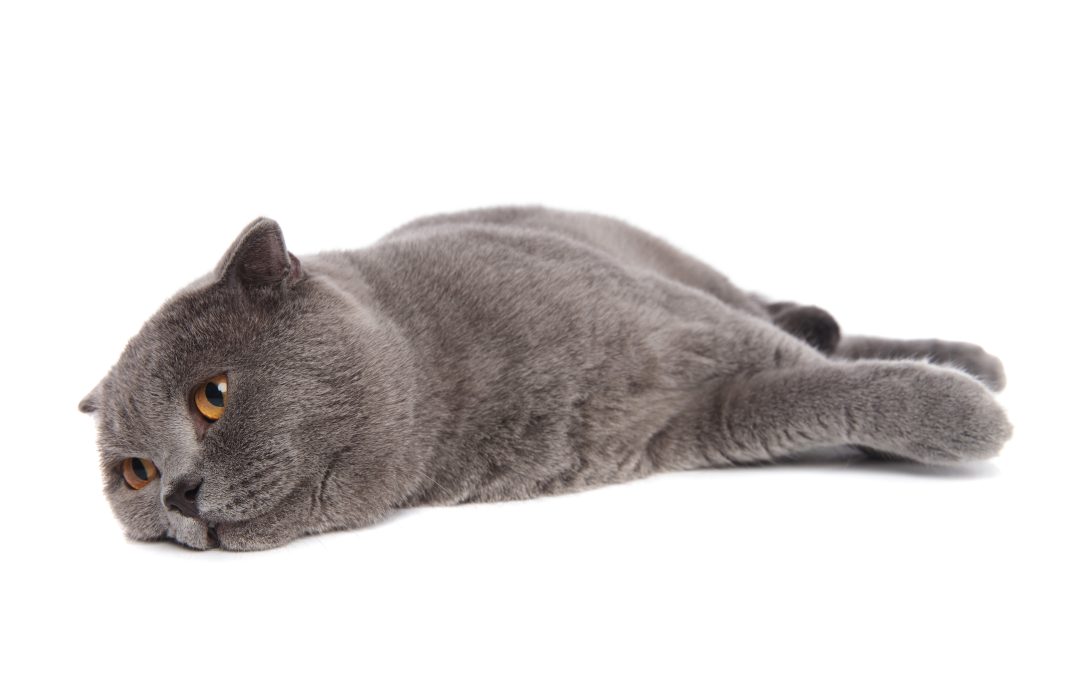
Pet owners know their cats often sleep through much of the day — some up to 16 hours a day. However, if a cat’s sleeping habits change significantly or they start showing concerning signs of lethargy, there could be underlying issues that need medical attention.
Read on below for information about lethargy in cats and when to seek veterinary care from Penny Paws Animal Clinic, the trusted DeSoto vet clinic Texas animal lovers count on.
What Is Lethargy in Cats?
Lethargy is a general diagnosis of a significant decrease in a cat’s normal activity levels and alertness. While cats need rest quite often after periods of activity, lethargic cats tend to remain inactive, even after extended sleep periods.
Lethargy is often a defense mechanism cats use to conserve energy to fight underlying illnesses or recover from injury.
If your cat has substantially decreased activity levels, appears disinterested in their usual routines, or just avoids moving around, they could be lethargic.
Other symptoms of lethargy include:
- Sleeping more than usual
- Loss of interest in playing or jumping
- Appetite loss
- Grooming less frequently or not at all
- Avoiding stairs or hiding for long periods
Caring for cats includes observing their daily habits and overall wellness. If your cat has shown signs of lethargy, you should consider whether they need veterinary attention.
Common Causes of Lethargy in Cats
Cats become lethargic due to a wide range of health issues — some minor and some severe.
Some of the most common causes of lethargy include:
- Infections. Bacterial, viral, and parasitic infections often cause fever and illness, leading to lethargy. Upper respiratory infections, feline leukemia virus, and panleukopenia commonly lead to a lethargic reaction.
- Recent vaccinations. Some vaccines trigger temporary lethargy as part of an immune system response. However, this type of lethargy in cats usually lasts just one or two days.
- Pain or trauma. Injuries, post-surgical recovery, and joint pain from arthritis or other age-related conditions can cause a cat to reduce activity levels.
- Underlying illness. Chronic diseases, including kidney failure, heart disease, diabetes, and respiratory conditions, can cause extended lethargy, especially in older cats.
- Dehydration and electrolyte abnormalities. Like all animals, cats require adequate hydration to maintain energy. Dehydration is not only caused by insufficient water intake — diarrhea and vomiting can quickly lead to severe dehydration.
- Toxicity. Ingesting poisonous or harmful substances can lead to severe complications that cause lethargy in cats.
- Parasites. Fleas, ticks, and internal parasites like worms significantly strain a cat’s metabolism, often leading to anemia and general energy loss.
- Nutritional disorders. Poor or insufficient nutrition often leads to rapid energy loss.
- Neurologic disorders. Conditions that sometimes affect the feline nervous system and cause seizures or brain injury also manifest through behavioral changes and lethargy.
When Should You Call the Vet?
Some changes in energy levels occur naturally as cats age or experience lifestyle changes because of a move. However, persistent lethargy combined with other symptoms often indicates more serious health issues.
Consider a veterinary evaluation as soon as possible if your cat shows signs of lethargy as described above in combination with other concerning symptoms, including:
- Appetite loss or refusal to eat for over 24 hours
- Difficulty breathing or unusual nasal discharge
- Vomiting or diarrhea
- Rapid weight loss or gain
- Extreme lethargy lasting more than two days
- Pale gums or other signs of anemia
- Hiding or avoiding ordinary contact with humans or other pets
Cats are well known for their ability to hide pain and discomfort. Look for evidence of any of these symptoms in addition to lethargy in cats. These red flags require professional medical attention.
How Vets Diagnose Lethargy in Cats
Veterinarians begin with a thorough discussion and examination of a cat’s health history. The veterinarian then performs a physical examination to look for indications of injuries, infections, or other external and internal indications of health problems.
Depending on the severity of the issues that are present and the combination of symptoms presented, the veterinarian is likely to recommend diagnostic testing.
Typical tests in cases of lethargy in cats include:
- Complete blood count (CBC). This detects infections, anemia, and other conditions.
- Blood chemistry panel. This test evaluates liver and kidney function, electrolyte levels, and other important metrics.
- Urinalysis. This also assesses kidney function and detects infections.
- Thyroid testing. This can help diagnose hyperthyroidism, a common cause of lethargy in cats.
- Fecal examination. This can identify certain parasites and other digestive disorders.
- Imaging (x-rays or ultrasound). These can help evaluate internal organs for disease or abnormalities.
When the veterinarian has made a complete diagnosis, they will discuss a proper treatment plan to address the underlying causes of lethargy and other issues.
Home Care for Lethargic Cats
As you wait for veterinary guidance and care, there are some basic steps you should take to keep your lethargic cat comfortable:
- Ensure easy access to food, water, and litter boxes.
- Encourage proper hydration levels by offering fresh water or using a pet fountain.
- Offer soft, nutritious food you know your cat enjoys to stimulate your cat’s appetite.
- Create a cozy, quiet resting space where your cat can rest undisturbed.
- Try providing ramps or steps to your cat’s favorite resting spots.
Remember, these are only some basic comfort care tips — seek veterinary supervision before administering medications or supplements.
Consult Penny Paws Animal Clinic for Regular Veterinary Care and Addressing Lethargy in Cats
Penny Paws Animal Clinic has six animal clinic locations in Texas. In addition to comprehensive veterinary medical care, we also provide multiple pet care services, including vaccinations, spay and neuter surgeries, and teeth cleanings.
Regular veterinary check-ups and examinations are the best preventative care for detecting the underlying causes of lethargy in cats early. Vaccinations, parasite control, and a healthy diet are also essential to your cat’s good health. If your cat has stopped eating, is showing signs of lethargy, or any other health issues, call on us today for comprehensive veterinary services.
Penny Paws Animal Clinic provides quality, convenient, and affordable veterinary services in multiple locations. Visit our contact page to find our clinic closest to you and schedule an appointment today or call us at (469) 807-3030! Trust us to assist you.