
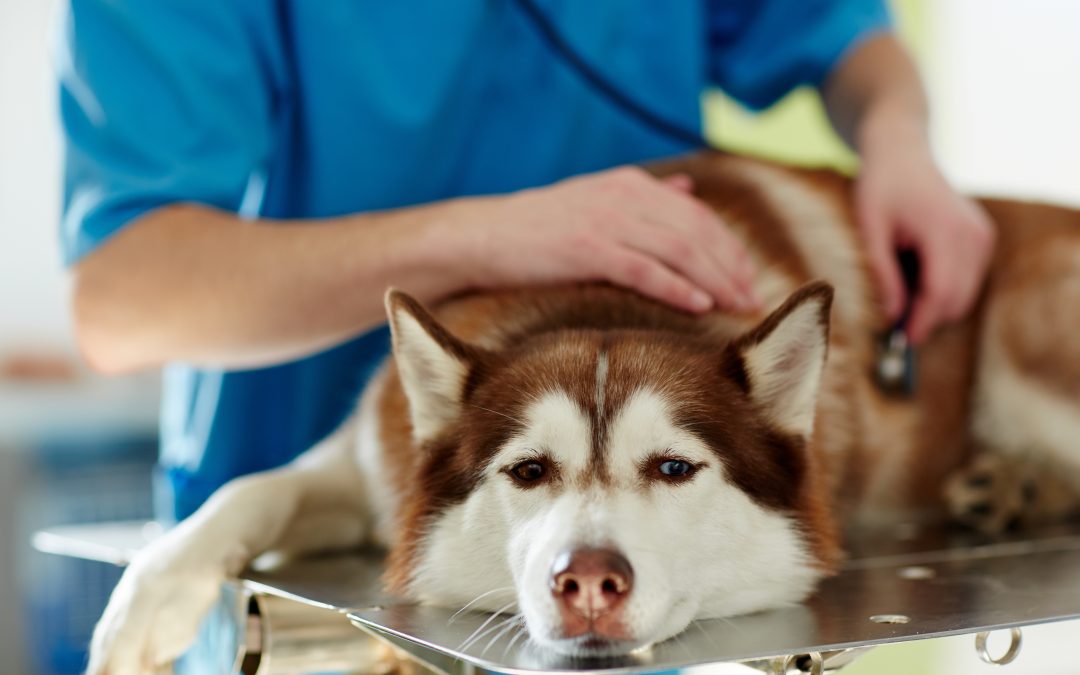
Whether you’re a new pet parent or an experienced one, chances are you know that heartworms are bad for dogs and cats. Yet do you know what they are, just how dangerous they are to pets, or how to test for heartworms?
A North Richland Hills, vet can perform different kinds of blood tests to detect heartworms in their various life stages. Consult the guide below for more information about heartworm testing, its importance, and when to schedule the service with your veterinarian.
What You Should Know About Heartworm in Cats and Dogs
Heartworms are parasites that dogs and cats can contract from mosquito bites. Though it’s not a contagious condition, it is serious.
The parasites that mosquitos transmit through their bites take several months to mature from larvae to adult worms, which can grow up to a foot long. They typically infect the right ventricle of an animal’s heart and their pulmonary arteries. Mature heartworms produce proteins or antigens that will circulate through the dog or cat’s blood.
Common symptoms of heartworm disease include the following:
- Reduced appetite
- Fatigue and lethargy
- Mild yet persistent coughing
- Weight loss
- Swollen abdomen
In serious cases, heartworms can cause extensive lung damage or caval syndrome in dogs and cats. Warning signs of this condition include labored breathing and port wine-colored urine. High-risk surgery may treat caval syndrome, but it usually leads to death, so knowing how to test for heartworms is crucial for pet owners.
The Danger of Heartworm Infection in Dogs
The problem with heartworm disease is that it’s a silent killer. Most cats and dogs don’t show signs of an infection until the worms mature and breed. Prevention and early detection through feline and canine heartworm testing is the best way to ensure your pet is safe and healthy.
It’s possible for your pet to have a positive heartworm test without any symptoms. If you recognize any warning signs of heartworms in your pet, don’t wait to take them to the vet. Delays can result in heart failure and death.
Are Cats at Risk of Heartworm Infection?
Heartworms aren’t as much of a risk for cats as they are for dogs, yet there is still a chance for indoor and outdoor cats to contract the parasite from a mosquito bite. It takes about eight months for the worms to mature in cats. Feline immune systems typically destroy heartworm larvae, but the enhanced immune response can trigger heartworm-associated respiratory disease that produces symptoms like:
- Abdominal bloating
- Seizures
- Coughing
- Vomiting
- Rapid weight loss
- Problems walking
- Asthmatic breathing
Feline heartworm treatment is challenging, so prevention is key.
Heartworm Diagnosis Methods for Dogs and Cats
The first step in knowing how to test for heartworms is understanding when to schedule the tests. For puppies around eight weeks old, heartworm prevention medication is best. Testing isn’t necessary for them because heartworms can’t develop fully; they mature in the organs of cats and dogs for about six months before moving onto their hearts and pulmonary arteries.
Still, you should start testing your puppy around six months. Older dogs without a history of heartworm prevention treatment will need immediate testing, a second test after six months, and then testing once yearly.
Now that you know when to test your pet for heartworms, here are the most common methods.
Heartworm Antigen Test for Dogs
Unfortunately, male heartworms are undetectable. Yet through canine antigen testing, it’s possible to detect the tiny pieces of female heartworm skin in dog blood. Even small numbers of adult females can produce positive results with this test, making it great for early detection.
The test is also good for detecting heartworm infection without microfilariae. Microfilariae are the tiny offspring of mature heartworms living within an animal’s pulmonary arteries and heart. Unlike their adult counterparts, microfilariae flow throughout the bloodstream; they don’t stay in one place.
Difil and Knott’s Tests
The Difil and Knott’s tests are essentially microfilaria tests. Veterinary labs test animal blood by filtering it or using a centrifuge to separate microfilariae. They’re good for detecting subtle infections in dogs, so a Difil or Knott’s test may accompany basic antigen testing to produce the most accurate heartworm diagnosis for dogs.
Antibody Testing for Cats
Because of how cats’ bodies respond to heartworms, they can have an infection with one or two worms, which could be all male. As a result, antigen testing alone isn’t the best choice for cats.
If you want to know how to test for heartworms in cats, you’d use antibody testing. This method can detect small worm concentrations earlier than antigen testing.
Veterinarians will confirm a heartworm diagnosis in cats by conducting an antigen and antibody test. They may also request X-ray imaging to detect the worms.
Heartworm Blood Test
Blood samples are necessary for diagnosing dogs with heartworms, but direct blood smears aren’t the go-to testing method. With blood smear testing, a lab technician will examine a drop of blood under a microscope to see heartworm larvae.
Unfortunately, a pet could have an infection without a large presence of microfilariae in the blood. As such, this kind of testing isn’t suitable for diagnosing subtle heartworm infections.
Protect Your Beloved Pets From Heartworm Infection
Now that you know the answer to, “What is heartworm disease?” and how to test for heartworms, it’s time to take action. Heartworm disease can be deadly for cats and dogs even though some canines don’t display symptoms until they’re in heart failure. The best way to protect your pets is to schedule annual heartworm testing, especially after visiting an area with high mosquito concentrations or animals with heartworm parasite.
Penny Paws Animal Clinic in North Richland Hills, Texas can help with your pet’s heartworm testing. As one of the top veterinary practices in Texas, our clinics can also provide heartworm prevention and treatment for dogs and cats to ensure your cherished pet has a good quality of life.
Count on Penny Paws Animal Clinic’s experienced veterinarians who know how to test for heartworms and provide compassionate treatments if your pet has positive test results. We’re here to help — call (817) 284-7297 or book an appointment today.