
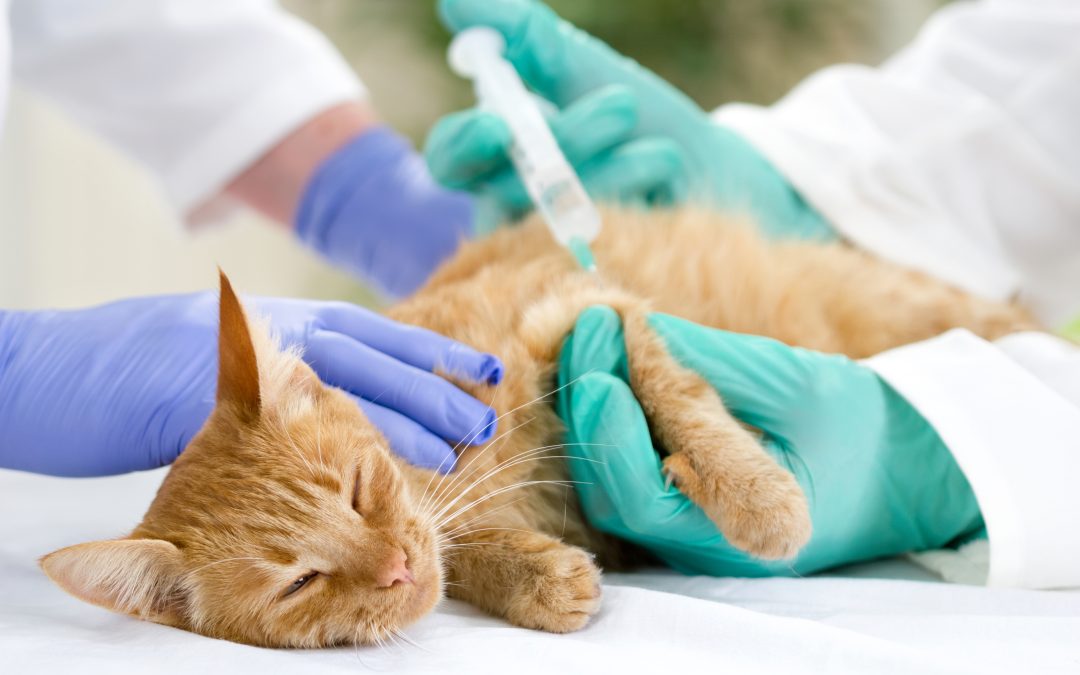
Timely immunizations are essential aspects of cat health care. Whether you get your pet’s treatments at a local veterinary office or utilize mobile vaccination clinics, you should pay careful attention to the types of shots your kitten or adult cat should get. So, how often do cats need vaccines?
Understanding cat and kitten immunization schedules may cause confusion due to the number of shots domestic felines need for optimal illness protection. Consult our guide below for more details about various vaccinations for cats and their ideal scheduling frequency.
The Importance of Feline Vaccinations
Part of being a responsible pet owner is understanding the importance of vaccinations. Like humans, domestic felines are susceptible to numerous life-threatening illnesses. Immunizations protect them from common preventable diseases that can jeopardize their quality of life.
The Feline Vaccination Advisory Panel, which consists of seasoned veterinarians and scientists, provides vaccine guidelines for cats, which fall into two categories. Core vaccines are what all cats should have, according to most vets. The non-core vaccines refer to the medications cats may need due to certain lifestyles and circumstances.
When a pet gets a vaccine, the medication triggers their immune system to fight a specific bacterium, virus, or other infectious microbe. That way, their body can react favorably if they encounter that microorganism in the future. Vaccines can prevent a cat from getting sick or at least minimize the severity of the infection.
Vaccinations: Veterinary Guidelines for Cats
How often do cats need vaccines? Ideally, kittens need vaccines starting when they’re between six and eight weeks old. Then, they should get booster shots every three to four weeks until they’re about 16 to 20 weeks old.
Complete protection from vaccines won’t occur until seven to ten days after each vaccination series, so getting all boosters on time is essential.
Kittens have underdeveloped immune systems, which is why immunizations start at such an early age. Although they do get some immune protection from their mother, that protection isn’t indefinite. The initial shots and subsequent boosters ensure pets have enough antibodies to effectively fight serious infections before they begin.
Consider the following details about essential vaccines and boosters to learn the ideal pet vaccine frequency for your beloved cat.
FeLV
If you have a kitten, it will need the FeLV vaccine to protect it from feline leukemia. It’s not a core vaccine for adult cats. However, any cat can contract this virus if they come in contact with infected urine, feces, or saliva through shared bowls or grooming an infected kitty.
While this condition doesn’t always end in death, it may occur. The illness’s latent period can last for years, which can cause other conditions like anemia and lymphoma during that time.
How often do cats need vaccines against feline leukemia? The recommendation involves assessing each cat by their risk level. High-risk pets need the medication yearly, while lower-risk ones can get the shot every two years.
Rabies
A core vaccine for all domestic cats is rabies, which they should get every one to three years. The difference in frequency stems from a state’s specific laws regarding the ideal rabies vaccine frequency for pets, including cats and dogs.
Why do states have laws mandating vaccination against rabies? The virus is transmissible to humans and usually ends in death.
The good news about cats and rabies is that these animals are not natural carriers of the disease. The bad news is that they can contract it through a bite from an infected animal.
Feline Panleukopenia
Also called feline parvovirus or distemper, feline panleukopenia is a highly infectious disease that often results in death for infected kittens. Early warning signs of the condition include reduced appetite and low energy, but it can progress to abdominal issues like diarrhea and vomiting. Because the virus kills white blood cells, kittens are likely to develop secondary illnesses in addition to the distemper.
Kittens can get their first FPV shot as young as six weeks old. Cats over 16 weeks old will need two doses, about three to four weeks apart. The first booster should occur a year after the last dose, then every three years after that.
Feline Rhinotracheitis Virus and Herpesvirus 1
Feline rhinotracheitis virus and feline herpesvirus are the same condition. It triggers severe upper respiratory infections in cats. Common symptoms include:
- Nasal congestion
- Nasal discharge
- Sneezing
- Oral ulceration
- Pneumonia
- Conjunctivitis
Cats may recover from the initial infection and still experience a secondary infection in the future due to the virus entering a latent period within their nerves. If they get stressed, the virus can reactivate and cause the previous symptoms.
The vaccination schedule for FVR/FHV-1 follows that of FPV.
Feline Calicivirus
This condition includes several viral strains that lead to serious upper respiratory infections in cats with symptoms similar to those of feline herpesvirus. However, some strains can also lead to hair loss, hepatitis, and death. The general assumption about this illness is that it has some connection to chronic gingivitis, which is the inflammation of the gums.
Again, the vaccination frequency is the same as the FPV vaccine.
FVRCP
How often do cats need vaccines if they follow a similar schedule? For convenience and efficiency, your vet may give your cat the FCV, FPV, and FVR/FHV-1 vaccines in a three-in-one shot called the FVRCP vaccine.
Indoor cats can get a shot once every three years. Annual vaccinations are best for outdoor cats, as well as kittens and seniors.
Turn to Penny Paws Animal Clinic To Schedule Feline Vaccinations for Your Furry Companion
How often do cats need vaccines? According to the cat vaccination list, these animals will need several shots to protect them against everything from feline leukemia to rabies, starting from six to eight weeks of age. Then, they’ll need boosters every one to three years, depending on the medication and your location.
If you’re in the Dallas-Fort Worth area and need feline vaccinations, reach out to Penny Paws. Our veterinary practice spans several locations in Texas, and we have mobile vaccine clinics to help pets stay healthy and safe. To schedule an appointment, call Penny Paws at (817) 993-1234.