
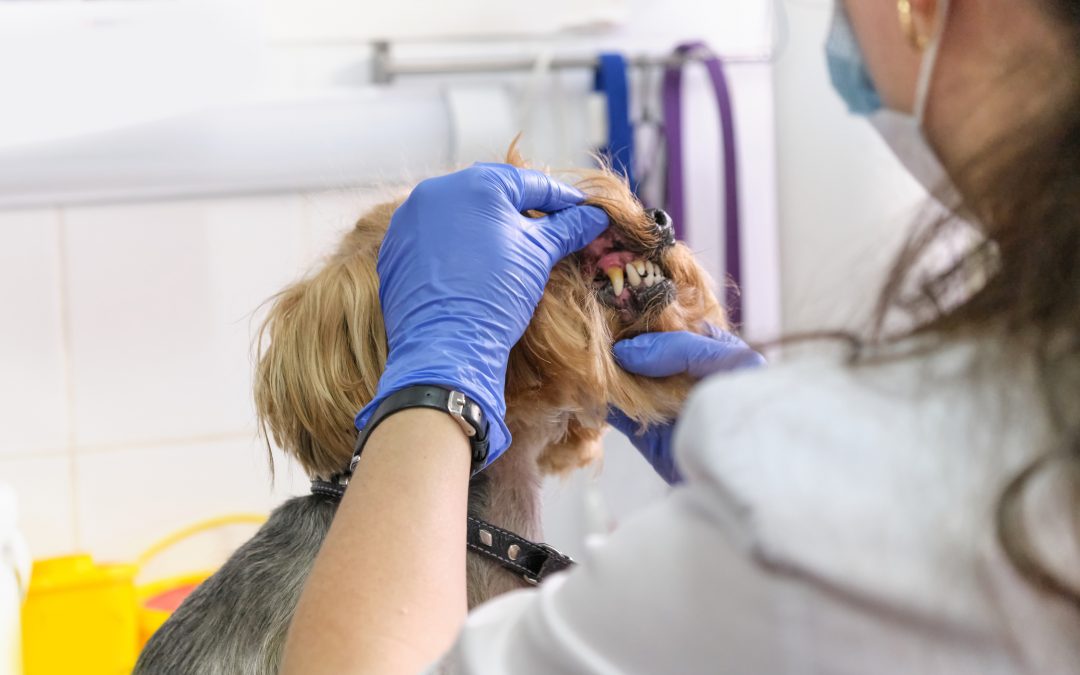
You’ve probably heard all the warnings about gingivitis as a human, and it has probably scared you into developing healthier dental habits. Now, you’re left wondering if the same situation applies to your furry friend. Can dogs get gingivitis?
Unfortunately, your dog can indeed get gingivitis. The condition can affect dogs in almost the same way as it affects humans—and maybe worse. Severe cases of untreated gingivitis in dogs can lead to kidney, liver, and heart disease. In this post, DeSoto’s leading vet clinic will cover all you need to know about this condition.
What Is Gingivitis?
Gingivitis is the inflammation of the gums. It occurs due to the accumulation of plaque and tartar on the teeth. The condition is the early stage of periodontal disease. Thankfully, it’s reversible with proper care.
Without treatment, the disease will progress to periodontitis, an irreversible form of gum disease that can cause your dog to lose most of its teeth. Other health conditions may also follow.
How Does Gingivitis Affect Dogs?
Most things you’ve heard about gingivitis in humans also apply to dogs. The condition can cause intense pain and discomfort in the dog. The swollen gums will bleed easily and if the condition continues to progress, the gums will recede, exposing the roots of the teeth. This can be highly painful for your dog.
What Are the Symptoms of Gingivitis in Dogs?
Recognizing the symptoms of gingivitis in your dog helps increase its chances of recovery. Some common signs you should watch for include:
- Bad breath. Does your dog’s breath smell like it’s just foraged through a compost pit? That’s halitosis—one of the earliest signs of gingivitis.
- Layer of tartar. If you spot any yellow or brown deposits across your dog’s teeth, that’s accumulated tartar.
- Swollen and red gums. Your dog’s gums should be pink. If they are red or swollen, it points to gingivitis.
- Bleeding gums. If your dog’s gums bleed while chewing or when you touch them, it’s a clear sign of gingivitis.
- Pain and discomfort while eating. Does your dog show clear signs of discomfort while eating? Dogs with gingivitis will unknowingly avoid chewing with one side of the mouth. They may also drop their food due to the pain.
- Pawing at the mouth. Your dog will exhibit this behavior to communicate that they are experiencing pain or discomfort in their mouth.
What Are the Causes of Gingivitis in Dogs?
Can dogs get gingivitis through an infection or an injury? It’s highly unlikely. Most cases of gingivitis are due to plaque buildup on the teeth.
This is a sticky layer of bacteria that forms on the teeth after eating. If you don’t brush the dog’s teeth regularly, the plaque will gradually morph into tartar. At this point, you’ll need to visit a veterinarian to get it removed. Ignoring the tartar for long will lead to gingivitis setting in.
So, poor dental hygiene is the most common cause of gingivitis in dogs. Knowing the truth about your pet’s dental health can help you steer them away from this condition.
Other possible causes include the following:
- An overly soft diet. Soft foods stick to teeth and gums more, increasing the chances of plaque formation.
- Genetic disposition. Some dog breeds are more likely to develop dental issues. Small dogs are most susceptible because they have crowded teeth that are harder to keep clean. However, some large breeds, like Boxers, Great Danes, and Mastiffs, are also prone to developing gingivitis and other gum disorders.
- Old age. Older dogs are likely to have more plaque and tartar buildup, which makes them more prone to gingivitis.
The Treatment for Gingivitis in Dogs
If your vet has diagnosed your dog with gingivitis, it needs to undergo treatment to keep the condition from worsening. Treatment will mostly consist of a thorough cleaning to ensure plaque and tartar removal from above and below the gum line. They will complete this process with the dog under anesthesia to ensure undisturbed cleaning.
If the gingivitis has already caused an infection, the vet will likely recommend antibiotics to fight the bacterial growth and also reduce gum inflammation. If your dog is in significant discomfort after the cleaning, the vet may recommend pain relief medications to help manage the pain during the healing process.
Depending on the state of your dog’s dental health, it can take up to four weeks for gingivitis to be fully reversed.
How to Prevent Recurrence of Gingivitis in Dogs
After your dog has completed treatment for gingivitis, you’ll want to do your best to ensure the condition doesn’t return. Some of the things you can do to help include the following:
Brush Your Dog’s Teeth Regularly
You should aim to brush your dog’s teeth at least once a day, using a dog-friendly toothbrush and toothpaste. This will help reduce the chances of plaque turning into tartar.
Visit the Vet for Professional Cleaning
During your visit to the vet, ask about professional dental cleanings to remove tartar buildup in its earliest stages. The vet will also check for any signs of another dental disease. Catching such diseases early can save your dog from severe pain and discomfort.
Provide Dental Chews and Toys
Dental chews and toys are great for your dog’s oral hygiene. They can clean your dog’s teeth and massage their gums. This stimulation can help prevent plaque buildup and keep their gums healthy.
Ensure Your Dog’s Diet Is Healthy
You should feed your dog a balanced diet featuring some dental care foods. For example, dry kibble can have some of the same effects as dental chews and toys. Therefore, giving it to your dog can help prevent the formation of plaque.
Get Professional Dog Dental Care From Your Local Vet
Can dogs get gingivitis? They can! However, with the right approach to dental care, you can protect your dog’s gumline. Do you suspect gingivitis in your dog? Are you looking for a vet who will properly evaluate your dog’s oral health or want more information regarding vaccines for dog boarding?
Call Penny Paws Animal Clinic in DeSoto, TX, today at (469) 807-3030 or visit our contact page to schedule an appointment.