
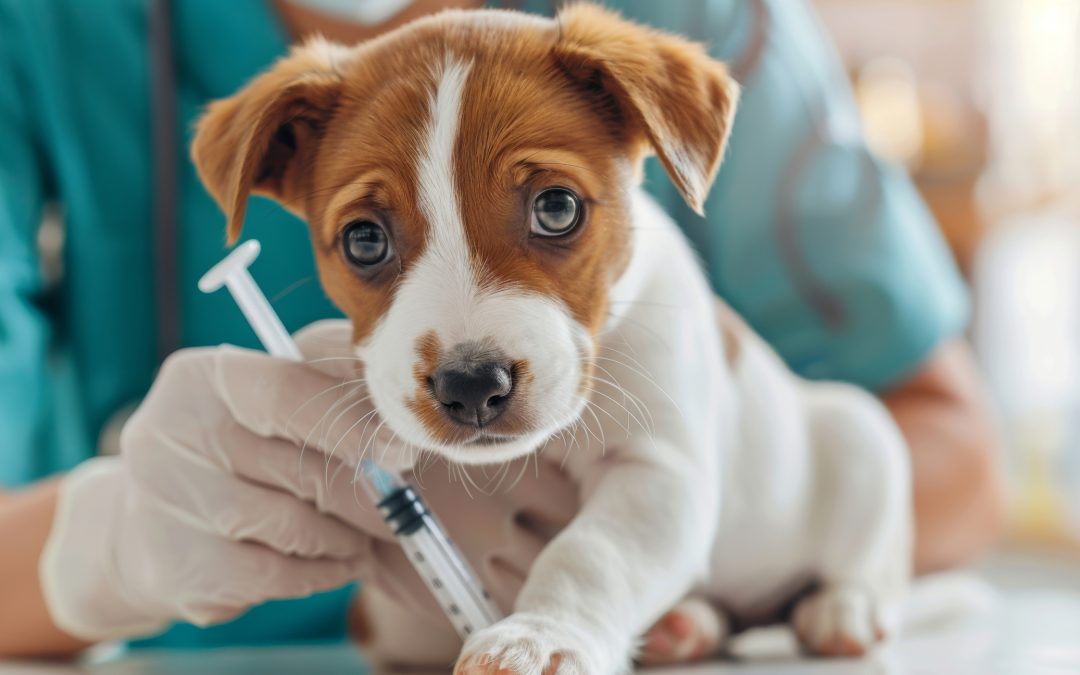
Why do dogs need blood work every year? Because dogs can’t describe pain they’re having or symptoms like humans can, diagnosis of disease and illness in dogs can be challenging. Annual blood tests provide veterinarians with information that cannot be obtained in other ways.
Some of the earliest signs of disease or health problems show up in blood work. This is the most important benefit of these tests. Your dog might not be showing any symptoms yet, but abnormal blood work can indicate that symptoms will begin within a few months without treatment.
In most cases, the earlier you start treatments for health conditions in dogs, the better chance of success you’ll have. Waiting until symptoms appear gives the disease time to affect organs and sap the dog’s strength. Early detection and treatment can improve a dog’s quality of life for a longer period, even for the most serious conditions.
Blood tests can’t prevent the dog from suffering from a disease or illness. However, they can provide clues that veterinarians use to screen for certain diseases.
For healthy, younger dogs, blood tests once a year usually provide the necessary benefits. However, if you have an older dog or one that has existing health problems, your veterinarian might suggest performing blood tests two to four times a year.
What Do Canine Blood Tests Reveal?
Do dogs need blood work every year to find early signs of disease or illness? Most canine blood tests involve looking for abnormal areas of blood count and chemistry. If the results in these areas are outside the normal range for your animal’s breed, age, and weight, this information is vital in helping a veterinarian diagnose health problems.
Understanding Complete Blood Count Tests
The complete blood count (CBC) test measures the levels in certain parts of the blood, including:
- Red cells
- White cells
- Platelets
Deficiencies in the red blood cell count indicate problems with anemia or poor blood clotting. When these counts are too high, it shows dehydration in the animal. Veterinarians may then do further screening for diabetes or kidney disease.
White blood cells show the strength of the canine’s immune system. If the white blood cell counts are above or below the normal range, it could indicate infection, inflammation, or disease.
Platelets are clot-forming cells. However, low or high platelet numbers can indicate the presence of underlying diseases. If platelet counts are low, cells might be forming tiny clots in the blood unnecessarily, which can endanger the dog’s health.
Understanding Blood Chemistry Tests
Veterinarians use blood chemistry tests, also called serum tests, to determine the presence of important hormones, nutrients, and electrolytes in the dog’s blood.
Low levels in these areas are early signs of organ disease or failure. The earlier veterinarians can begin treating conditions related to organs, the better the chance of extending your pet’s life. If certain areas of the test are abnormal, dietary changes or adding prescription medication is often the best course of action.
In the most serious cases, the blood chemistry test might show the potential presence of tumors or cancer, giving the veterinarian clues to perform additional tests. Some of the items measured through a blood chemistry test include:
- Bilirubin
- Calcium
- Cholesterol
- Cortisol
- Glucose
- Lipase
- Phosphorus
- Potassium
- Protein levels
- Sodium
- Triglycerides
Veterinarians compare the current blood chemistry results to the normal ranges for dogs of a similar breed. If you’ve had annual blood tests done on your dog for a few years, veterinarians can compare the current results to the past blood work. Spotting changes from year to year can provide valuable information during a diagnosis.
How Quickly Do Blood Work Results Come Back?
Do dogs need blood work every year if they’re healthy? Some pet owners may avoid bringing in their seemingly healthy dogs for annual exams due to concerns about the time required.
Our veterinarians send your dog’s blood work to our on-site laboratory, where technicians perform the tests immediately. Test results from the blood work are available in less than 30 minutes. You don’t need to schedule a follow-up appointment to learn the results, which saves both time and money.
If your dog is nervous at the veterinarian’s office, it’s less stressful on everyone to receive the blood work results in a single appointment.
For dogs who appear to be in good health, it’s nice to have the immediate peace of mind that the blood tests are normal. If your pet is exhibiting signs of illness or just doesn’t seem to be acting normally, a fast blood test gives veterinarians the information needed to start treatment right away.
Understanding lab tests and what the blood work results mean is easier while you’re still in the veterinarian’s office. With fast laboratory results, you can ask follow-up questions in person during the same appointment. You don’t have to try to figure out what the lab tests mean over a confusing phone call days later, where you might not be able to speak to the veterinarian.
Rely on Penny Paws Animal Clinic for a Thorough Dog Wellness Exam, Including Blood Work
At Penny Paws Animal Clinic, we never cut corners when treating your pet. We know that an annual routine health screening can uncover the early signs of concerning health conditions. By catching the issues early, we have the best chance at treating them successfully.
Do dogs need blood work every year? We believe strongly in using this technique to deliver the highest level of care. We can explain what blood test results mean and whether we need to take steps to treat any abnormalities that the blood work shows.
To set up a dog wellness exam, call our Grand Prairie, TX, office at (682) 253-5177 or visit our contact us page to find one of our clinics that’s closer to you.