
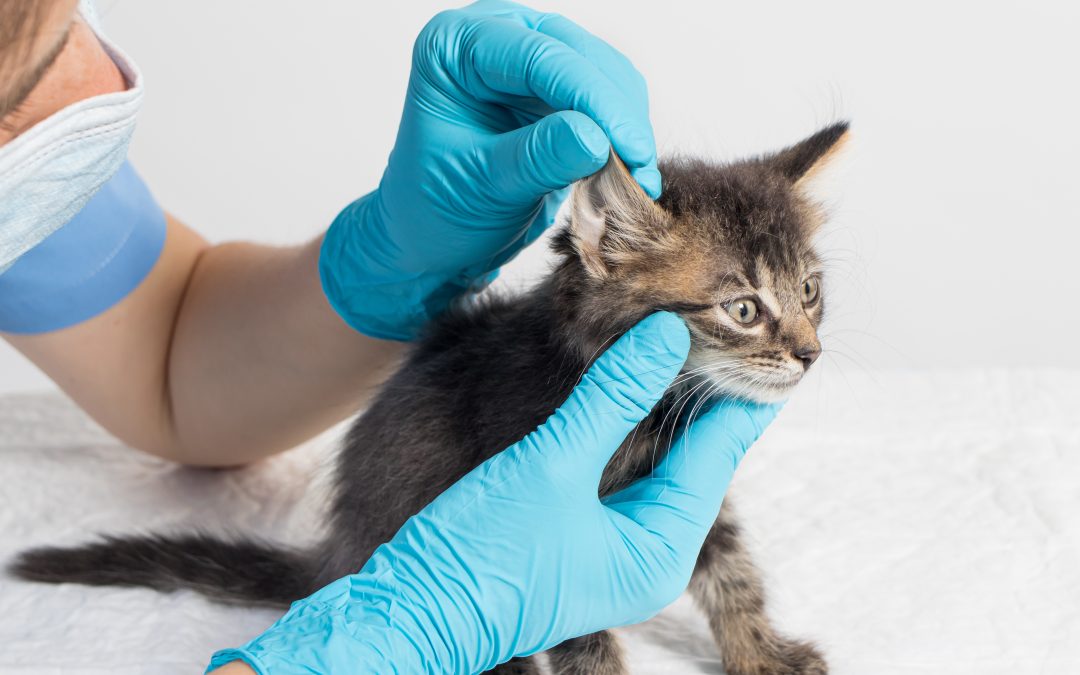
As pet parents, watching your cute kitty suffer from an illness or injury feels horrible. Getting your pet the treatment they need may stretch your budget, so you may feel inclined to wait out certain issues to see if they heal on their own. Aural hematoma in cats is one of those health problems that may seem like it can wait, but it’s a bad idea that puts your cat’s health at risk.
If you need a veterinarian in Mansfield, TX, to check your cat for aural hematoma, contact Penny Paws Animal Clinic today to get the best care for your cat companion.
Understanding Aural Hematoma in Cats
What is aural hematoma in cats? A hematoma is a fluid accumulation of blood in the ear tissue. It’s a pocket of blood but it isn’t a blood clot.
Aural hematomas can be treated with surgical drainage. It’s a minor operation that should usually heal within a week.
Causes
Aural hematoma in cats can occur in several ways. Illnesses and injuries are the most common. While it’s impossible to avoid accidents completely, keeping your cat healthy and watching where they roam can spare them from this condition.
Common ways cats get aural hematomas include:
- Illness: Underlying infections and diseases that cause your cat to scratch their ears often could lead to aural hematoma.
- Injury: Getting hurt after fighting with other cats or touching sharp objects could injure the ear and cause blood to pool.
- Ear blockage: A foreign object trapped in your kitty’s ear may cause blood pooling.
- Irritation: Bites from ear mites and other insects as well as allergies could cause aural hematoma in cats.
Symptoms
An aural hematoma is unpleasant for your cat companions. As soon as you notice the symptoms, contact your veterinarian right away.
Ear swelling is the most common symptom. If the hematoma is in the flap, it may sag downward because of the weight of the pooled blood. If it’s further in the ear, you may not notice right away until your cat begins scratching at it.
Since a hematoma is uncomfortable, cats scratch at them quite a bit. Try to prevent it as much as possible, and avoid touching it yourself as it can be very painful for your cat. You’ll know if it hurts them since they’ll probably try to scratch or bite at you to make you leave it alone.
If your cat doesn’t want you to touch them or they start grooming excessively, these are other signs that they have developed an aural hematoma. If they recently got into a catfight or were hit by a falling object, scratching, grooming, and wanting personal space likely means they need to go to the veterinarian as soon as possible.
Treating Aural Hematoma
Treating aural hematoma in cats is fairly simple, though it will require minor surgery. Surgery costs are a common concern among pet parents, so speak to your veterinarian about expenses and payment plans if you have concerns. You may want to look into pet insurance options, as well.
Diagnosis
Your veterinarian will examine your cat’s ears and overall health to determine if illness, injury, or irritation caused the pooling blood. If an illness like an ear infection is the culprit, then your cat will likely be prescribed medication to treat the illness. To diagnose aural hematoma in cats properly, the veterinarian may need to take a blood sample with a needle.
Surgery
Most veterinarians will recommend surgery to drain the blood and stitch it up. Stitches are a crucial part of recurrence prevention, as they stop blood from flowing into the pocket area.
Sometimes, your kitty may not be a contender for surgery, or you may choose to avoid it. Veterinarians can drain blood with a needle instead of going the route of surgery, but they advise against it since it doesn’t prevent it from happening again.
Recovery
Your veterinarian will provide you with medications for pain management, as your kitty will likely be tender for several days following the surgery. Put a cone on your cat to prevent them from scratching at the stitches. Doing so could pull out the stitches and cause bleeding or infection to occur.
Your veterinarian will give you thorough instructions on how to care for your cat so they can heal correctly. If you have any questions or complications, reach out to your veterinarian. You will need to schedule at least one follow-up appointment to get the stitches removed.
Leaving Aural Hematoma Untreated
What happens if aural hematoma in cats is left untreated? It’s possible for aural hematoma to heal on its own, but your cat will experience many unpleasant symptoms. Explore treatment options right away to keep your companion out of pain.
Common problems caused by lack of treatment include:
- A painful healing process that takes a long time
- Swollen and sagging ear flap
- Recurring hematomas
- Excess scar tissue
- Unable to treat underlying infections
Let your veterinarian know if you have financial concerns about aural hematoma treatment. They may be able to work with you to find a payment plan that works with your budget or point you toward resources that can help you afford treatment costs.
Visit Penny Paws Animal Clinic Today
Aural hematoma in cats is highly unpleasant and will be hard for pet parents to watch as the cats try to manage their discomfort. If your cat shows symptoms of having an aural hematoma, reach out to Penny Paws Animal Clinic. We’ll get your cat scheduled for an exam and the veterinarian will inform you of the best way to help your cat recover from this uncomfortable health condition.
Get help with aural hematoma in cats. Penny Paws Animal Clinic in Texas can help with a range of animal illnesses and injuries. If your cat is throwing up blood, limping, or acting in ways that aren’t like them, bring them in today for the best care. We’ll work with you to find a treatment option that will help your pet feel better.
Call Penny Paws Animal Clinic in DeSoto, TX, today at (469) 807-3030 or visit our contact page to schedule an appointment. We also accept walk-ins!