
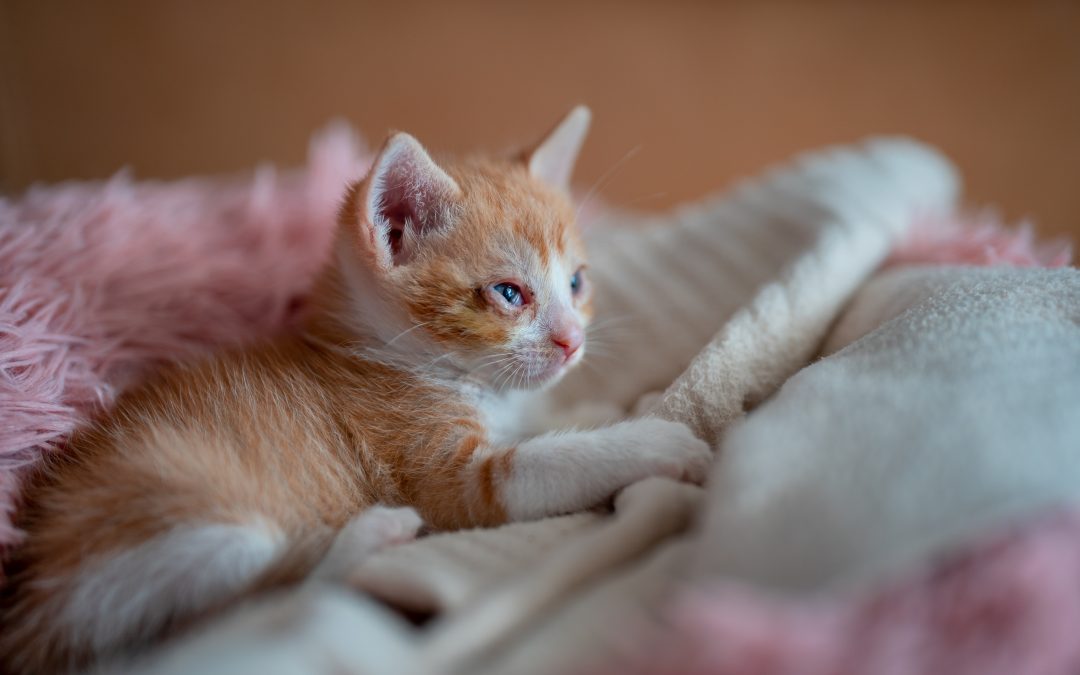
Bringing a kitten into your home makes a wonderful addition to your family. The kitten’s sight should fully develop by eight weeks, allowing them to navigate their new home with precision, especially at night. Unfortunately, kitten eye infections can occur due to many everyday problems, leading to discomfort, pain, and other symptoms.
Knowing what to look for when dealing with a possible eye infection or condition will let you know when to visit a veterinarian in Mansfield, TX, for help. In the guide below, you can learn more about different eye infections that kittens can have and how you and your vet can help your beloved pet if they develop one.
Common Eye-Related Problems Kittens Can Develop
When caring for cats, you want to pay close attention to any signs of possible health trouble. Kitten eye infections can quickly get out of control. That’s why it’s necessary to check your cat’s eyes regularly to ensure they look bright, clear, and clean with same-sized pupils.
During these cat eye health checks, look for these warning signs so you’ll know when to contact your veterinarian:
- Excessive eye watering
- Clear, yellow, or green discharge
- Cloudiness
- Swelling
- Eye redness
- Squinting or total eye closure
- Pawing at the eye, which indicates discomfort
- Protruding third eyelid
If you notice one or more eye-related problems, your kitten may have one of the conditions below.
Upper Respiratory Infections
An upper respiratory infection might not seem like a cause for kitten eye infections, but it can be. Upper respiratory infections in cats can produce symptoms resembling the common cold in humans. Yet, they’re highly contagious in cats.
Common causes of feline upper respiratory infections that can lead to secondary infections in the eyes include:
- Feline Immunodeficiency Virus. FIV is similar to the human immunodeficiency virus in that it prevents the cat’s immune system from fighting infections.
- Feline Herpesvirus. This virus is one of the most common causes of cat eye infections. It’s incurable and can lead to everything from conjunctivitis to corneal ulcers.
- Feline Leukemia. Unfortunately, feline leukemia is contagious and causes infections in cats’ eyes and upper respiratory systems.
Trauma
Your pet doesn’t have to have a viral infection or issues with its upper respiratory tract to develop a kitten eye infection. The problem could stem from trauma or injury to one or both eyes.
Kittens can accidentally injure their corneas (or the thin, outermost layer of the eye) in several ways, such as a hit to the eyes, a scratch from their claws, or debris irritating their eyes and causing abrasions.
Corneal ulcers can form from an eye injury that doesn’t heal properly. Though the condition is difficult to detect without help from an experienced vet, it can quickly worsen. Symptoms include:
- Redness
- Glassy or watery eyes
- Excessive blinking
- Discharge from the affected eye
Conjunctivitis
Conjunctivitis, or pink eye, is an inflammatory condition that affects the outer eye layers or the inner eyelids. It’s a viral infection that kittens often get. However, the condition can also come from foreign bodies in the eyes, bacteria, and allergens.
Though people can also get pink eye, it’s not transmittable between humans and cats.
Bacterial, Fungal, and Parasitic Infections
Kitten eye infections aren’t only viral. Bacteria like Chlamydia can cause conjunctivitis. The same goes for parasites like Toxoplasma gondii, which leads to vision issues and discomfort.
Fungal eye infections can develop in cats, yet they’re less common than viral, bacterial, and parasitic infections. They’re mostly a problem in places with humid climates or contaminated soil.
What You Can Do To Help Your Kitten
If you suspect your pet has a kitten eye infection, you can help them recover in the following ways.
Get a Diagnosis From a Local Veterinarian
Any infection your cat has will warrant a trip to the vet. The veterinarian can conduct the following tests to determine the type and extent of your pet’s infection:
- Diagnostic Imaging. CT and ultrasound scans can help detect underlying causes for cat eye problems.
- Physical Exam. The vet will physically assess your pet for signs of infection, injury, and other problems.
- Culture Tests. If your cat has discharge in its eyes, the vet may take a sample of it to identify the bacteria, virus, or fungi causing the infection.
- Fluorescein Staining. For corneal ulcers, a veterinarian may apply a special dye to the affected eye, making it easier to see scratches and ulcers in the cornea.
Consider Eye Infection Treatment Options
The cause of your cat’s eye infection will determine how your vet creates its treatment plan. For instance, they may prescribe a course of antibiotics to treat a bacterial kitten eye infection or anti-inflammatories to reduce swelling and discomfort around the eyes. Other medications may include antifungals and antivirals in oral form, eye drops, or ointments.
The best treatment for severe cases involving foreign bodies or ulcers may be surgery. The vet can remove particles and debris that are damaging the eye and address additional complications that could affect the kitten’s health, vision, and quality of life.
Give Proper Care to Your Kitten at Home
Caring for your cat is crucial once it gets a proper diagnosis for an eye-related infection. Ensure you follow all of your vet’s instructions regarding medication and follow-up appointments. The best way to be sure your beloved kitten heals and recovers is to adhere to its personalized treatment plan.
You might want to try at-home remedies like over-the-counter medications from a local pet store. Unfortunately, they won’t be as effective as prescription medication and professional veterinary help. Besides managing medication, the best thing you can do is gently and regularly clean your cat’s face with a damp cloth.
Get Your Kitten the Help It Needs at Penny Paws Animal Clinic
Kitten eye infections might be common, but you can prevent prolonged pain, discomfort, and vision problems by getting your pet medical help at the first sign of trouble. At Penny Paws Animal Clinic in Mansfield, TX, we provide exams, diagnoses, and treatments for everything from ear infections in cats to heartworm testing in dogs. Call our Mansfield vet clinic at (817) 382-9229 or visit our contact page to schedule an appointment.