
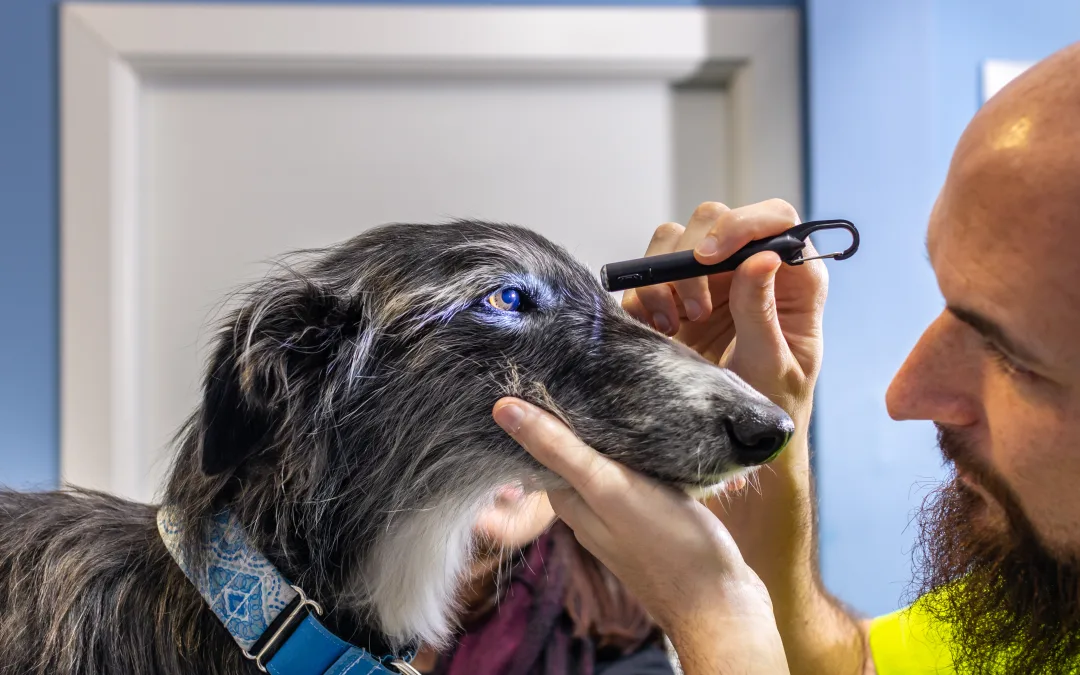
Just as in humans, the eyes are one of the most sensitive organs in dogs. Any problems with them can be highly stressful for your furry friend. Some of these problems can also make the eyes unusable, making it harder for your dog to interact with the world around it.
Therefore, it’s important to know as many common eye conditions in dogs as possible, what to do about each one, and when to visit a vet.
Penny Paws Animal Clinic, the top-rated vet clinic in DeSoto, discusses all the details you need in this blog post.
9 Common Dog Eye Problems You Should Know
Some of the most common eye conditions in dogs include the following.
1. Conjunctivitis
Conjunctivitis, more commonly known as pink eye, is one of the most common eye conditions in dogs. It occurs when there’s a bacterial or viral infection in the tissue that lines your dog’s eyelids (the conjunctiva). However, it may also be an allergic reaction.
Some of the top signs of conjunctivitis in dogs include excessive tears, squinting, eye discharge, redness, and swelling.
Veterinarians may recommend anti-inflammatory or antibiotic eye drops depending on the cause of the infection. They may also recommend eye flushing. In any case, you should never try to wait out conjunctivitis in dogs because it can worsen.
2. Cataracts
Cataracts refer to the clouding of the eye lens. The thicker the film over the lens, the lower the amount of light entering the dog’s eyes. Thus, cataracts mean a gradual loss of vision. Apart from the loss of vision, cataracts can also change your dog’s eye color.
Cataracts are one of the most common eye conditions in dogs that generally occur due to old age. It’s also a hereditary condition. If you notice any sign of cataracts in your dog, see a vet about the treatment options and the best way to stop the progression.
Mild to advanced cases often require surgical intervention.
3. Lenticular Sclerosis
Lenticular sclerosis is a type of bluish hue that coats the eyes of many dogs as they age. It’s a condition that affects senior dogs, but it may also appear in younger ones. The good thing about this condition is that it doesn’t have any significant impact on your dog’s vision.
It’s important to avoid confusing cataracts for lenticular sclerosis and vice versa.
4. Glaucoma
Glaucoma is another common eye condition in dogs that may result in blindness if left untreated for a long time. It’s a disorder that can damage your dog’s optic nerves. Signs of glaucoma in dogs include enlarged pupils, blurry vision, and increased eye pressure.
Aging, hereditary disposition and an eye injury are some of the most common causes of glaucoma. Vets treat glaucoma using drugs, laser therapy, surgery, or a combination of all three. Dogs living with this eye condition will need regular eye checkups to monitor the growth and spread of the condition.
5. Cherry Eye
Cherry eye is a common eye condition in dogs that affects the tear gland of the nictating membrane or third eyelid. It causes the membrane to prolapse or slip forward, leading to a visible red mass in the corner of your dog’s eyes.
It’s still unclear why cherry eye occurs in dogs. However, there’s enough evidence to suggest that it is a hereditary condition. Vets treat the cherry eye with surgery to reposition the affected membrane.
6. Corneal Ulcer
Corneal ulcers are sores in the outermost part of your dog’s eyelid. The ulcers often occur due to irritation from a foreign object entering your dog’s eyes and staying there for too long.
Other common causes of corneal ulcers include scratches from another animal (maybe your neighbor’s cat) and chemical burns (usually from body wash products). You should also be watchful when providing exercise for your pets.
Some of the most common signs of corneal ulcer include reluctance to keep the affected eye or pawing at it. These ulcers generally go away on their own after some time. However, your vet may also recommend medication for pain management and antibiotics to prevent an infection.
7. Dry Eye
The tear glands in your dog’s eyes produce tears to prevent friction between the eye and the eyelid. If the eyes are too dry, inflammation and pain often follow. Some of the signs of dry eye in dogs or keratoconjunctivitis sicca (KCS) include discharge, squinting, redness, and cloudiness.
KCS is predominantly a genetic condition. The immune system suddenly attacks the tear-producing glands in the eyes of predisposed dogs, leading to dry eyes.
Vets treat KCS with the use of topical medications and artificial tear replacement therapies.
8. Uveitis
Uveitis is another example of one of the most common eye conditions in dogs. It predominantly affects the iris and occurs when there is inflammation in the uveal tract.
In many cases, uveitis points to an infection or another underlying condition, such as diabetes.
Some of the most common symptoms of uveitis include cloudiness, squinting, redness, and discharge. Vets treat uveitis with pain and anti-inflammatory medication.
9. Progressive Retinal Atrophy
Progressive retinal atrophy refers to the gradual deterioration of a dog’s retina. It is one of those common eye conditions in dogs that will only get worse with time. Symptoms include pawing the eyes and worsening vision.
It’s a largely genetic condition. Unfortunately, there’s no cure for it. Any dog with the gene for the condition will go blind at some point. The blindness happens within two to three months in some dogs and well into old age or adult life for others.
Help for Dog Eye Conditions Is Available at Penny Paws Animal Clinic
Can you see the signs of an eye condition in your dog? You must schedule an appointment with a vet here at Penny Paws Animal Clinic for proper diagnosis and treatment. Barring conditions such as lenticular sclerosis, most common eye conditions in dogs are manageable.
Regular eye checkups are one of the best ways to care for senior dogs and prevent vision loss in younger ones.
Contact the Penny Paws Animal Clinic team in Texas today to book your appointment or call us at (817) 382-9229.