
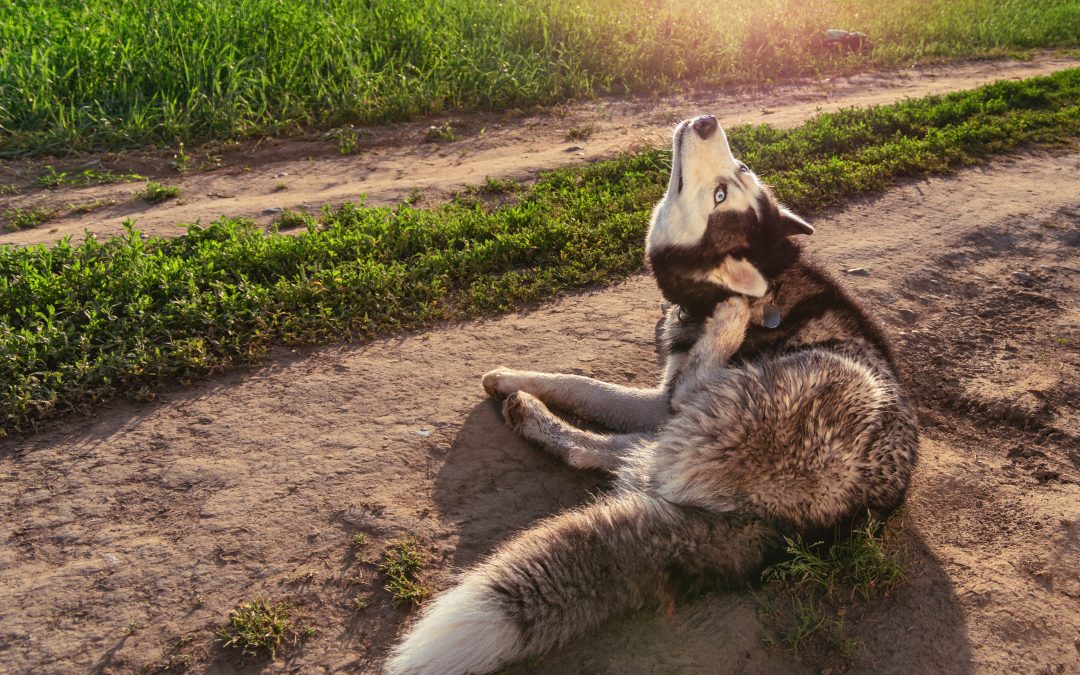
Many of us are familiar with the itchy eyes and runny nose that often accompany the arrival of spring, but pet owners may not know that these same symptoms can affect dogs, too. Seasonal pet allergies are fairly common and usually aren’t a major concern. Still, they can be very uncomfortable and, if left untreated, may lead to further health complications.
Penny Paws is one of the best vets in Desoto, TX, for seasonally affected pups. Their expert team can diagnose and treat environmental irritations in dogs and help get your pet back to normal as soon as possible.
To quickly identify symptoms and seek out the appropriate treatment, it can be helpful for owners to learn the basic signs of seasonal allergies in dogs.
How To Spot Dog Allergy Symptoms
The most common signs of seasonal dog allergies are itchy skin and irritated or repeatedly infected ears. Less abundant symptoms may mirror those of seasonal allergies in people, like a runny nose, sneezing, and irritated, red eyes.
Skin irritation typically occurs around folds and joints, so the armpits, groin area, and muzzle are most likely to be affected. Some dogs also get itchy skin on their paws. Even if the skin looks normal, you might notice your dog scratching or chewing themselves more than usual or spot them rubbing against furniture to soothe the itch.
It is incredibly important to get treatment for irritated skin, as dogs can scratch themselves to the point of bleeding. These wounds can also become infected if not properly treated. Excessive scratching can also cause hair loss and leave the skin underneath vulnerable to future issues.
Once at the vet, this condition is easy to diagnose through physical exams and lab tests. It is also common for veterinary dermatologists to conduct skin tests to determine which specific allergens are causing a reaction.
What Are Common Seasonal Allergens for Dogs?
Your four-legged friends can be susceptible to some of the same environmental irritants that bother many people. Some of the most common offenders are:
- Tree pollens
- Certain types of grass
- Mold spores
- Fleas and flea waste
- Feathers of certain bird species
Most flare-ups occur in the spring and fall when new organic matter emerges during the turn of the season. The uncomfortable reaction occurs when a dog’s immune system overreacts to the affronting natural materials, causing inflammation and irritation.
What Can I Do To Help My Dog’s Allergy Symptoms?
It is important to consult a veterinarian for a thorough investigation of your dog’s condition to determine whether medical treatments are necessary. Allergy treatment for dogs with persistent symptoms may involve medications such as antihistamines or steroids. Ear infections resulting from allergies typically must be treated with medicated drops and a careful cleansing routine until the ear canals are clear.
For milder cases, after a veterinarian has ruled out other issues and confirmed that the symptoms are allergy-related, lifestyle changes may be enough to soothe symptoms.
Plan Your Walk Around Pollen
If your veterinarian has identified that tree or grass pollen is causing the most trouble, consider altering your walk times to avoid the day’s peak release of pollen. Early mornings and late afternoons are generally hardest on allergy-stricken pets. Areas with tall unkempt grass or many trees might harbor higher amounts of pollen, too.
Indoor play areas may be a good solution for exercising during peak pollen times — both for you and your pet!
Keep the Air and House Clean
Using an air filter at home can help with allergy symptoms, particularly if your dog is sneezing or has a runny nose. Be sure to find one specifically designed to remove respiratory irritants from the air.
It is also essential to clean household surfaces regularly and wash frequently used soft toys and bedding with hot water at least weekly. This helps minimize the amount of invisible outdoor irritants that your dog and other household members bring inside.
Water and food bowls can also harbor hidden allergens, so be sure to wash them frequently to minimize build-up and exposure.
Suds Up and Soak
As seasonal allergies in dogs often involve skin irritation, it’s important to review your pet’s bathing schedule and work in some extra skincare. Dogs struggling with skin discomfort may benefit from more frequent baths with gentle anti-itch shampoos. This can also help wash away the allergens they bring home from walks or outdoor play.
If tolerated, longer soaks in moisturizing oils and soothing ingredients can calm itchy, angry skin. Look for pet-safe soaks that contain healing ingredients like aloe for the best results. Be mindful that excessive washing can worsen the condition by drying out the skin, so keep soaks to about 10 minutes and avoid using harsh shampoos.
If the skin is broken from scratching, more careful bathing is required, and a veterinarian should provide advice on keeping the wound clean and dry.
Boost Their Diet
Internal solutions may help control your dog’s seasonal symptoms. Some evidence suggests that fish oil or other fatty acid supplements can promote a healthy coat and calmer skin. Coconut oil can also sometimes help when ingested or applied topically.
Before making any changes to your pet’s diet, speaking with a professional animal care provider for information about safe ingredients and doses is important. Your veterinarian can also generally recommend specific supplements for your dog based on their history and condition.
Consult Your Local Vet If Symptoms Persist
To get the best care possible for dog allergies, a veterinarian should examine your pet’s condition and recommend a treatment plan. While seasonal allergies in dogs are typically nothing serious, any sudden changes to your pet’s behavior or appearance can be a sign of other underlying issues. Always head in for a check-up when new symptoms appear or existing issues worsen.
Visit Penny Paws for an allergy screening and enjoy some of the best care available in Desoto, TX. Keep your dog healthy and happy by scheduling an appointment today at (469) 807-3030.